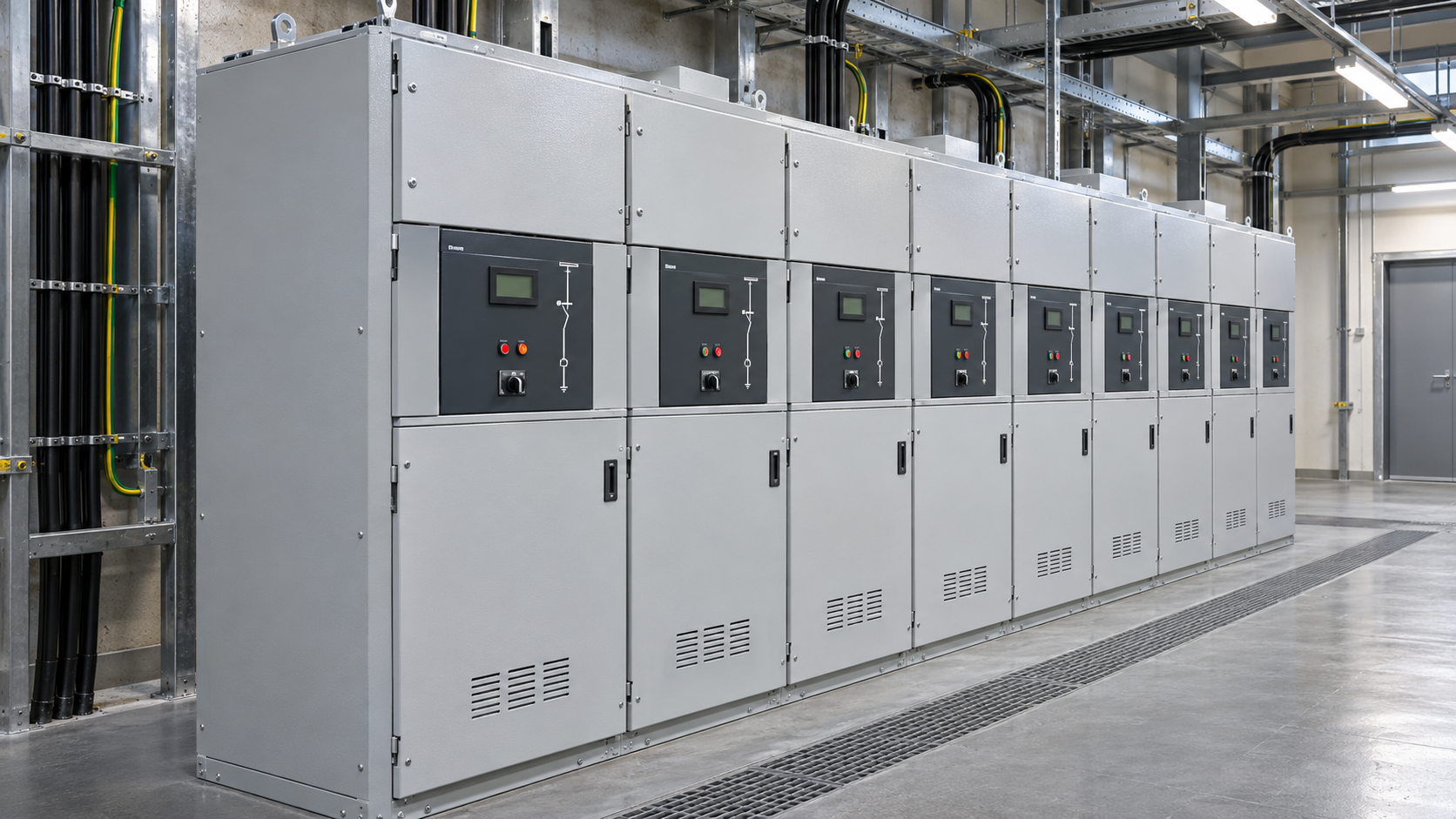
SF6-free switchgear offers a different approach to medium-voltage power distribution. Schneider Electric’s AirSeT range uses pure air and vacuum technology instead of sulfur hexafluoride, or SF6. The range shows how companies can rethink established electrical equipment through changes in design and materials.
For project teams, however, a new insulation method is only part of the story. Buyers also need equipment that suits their network, building, and maintenance plan.
So, how does this technology work? And what should buyers check before choosing it?
What Does Switchgear Do?
Switchgear helps operators control and protect electrical circuits. It brings together devices for switching, isolation, and fault protection.
For example, a ring main unit connects sections of a distribution network and supplies a local transformer. Its switching devices help operators isolate parts of the network when needed.
For a simple introduction, read Risentric’s guide to ring main units. It explains the main components and how they work together.
How AirSeT Uses Pure Air
Electrical equipment needs insulation between live parts and other surfaces. AirSeT uses treated air for this purpose.
Schneider Electric explains that it filters, purifies, and pressurizes the air before sealing it inside the equipment. Vacuum interrupters handle the switching function. As a result, the design separates the roles of insulation and current interruption.
The company also uses its Shunt Vacuum Interruption technology within the AirSeT portfolio. This approach combines an air insulation system with vacuum switching technology.
However, buyers should check the exact model. A product family can include several designs with different ratings and features.
Why Move Away From SF6?
SF6 is a potent greenhouse gas. Therefore, replacing it can remove the need to use that gas in the equipment’s insulation system.
Schneider Electric presents AirSeT as an alternative that combines pure air with digital monitoring. Its portfolio covers both primary and secondary medium-voltage applications.
Still, “SF6-free” does not tell buyers everything about a product. They should ask which insulation medium the equipment uses. They should also review service needs and end-of-life handling.
This helps teams compare complete designs rather than rely on a single environmental label.
Digital Monitoring Adds Another Layer
The innovation also extends beyond insulation.
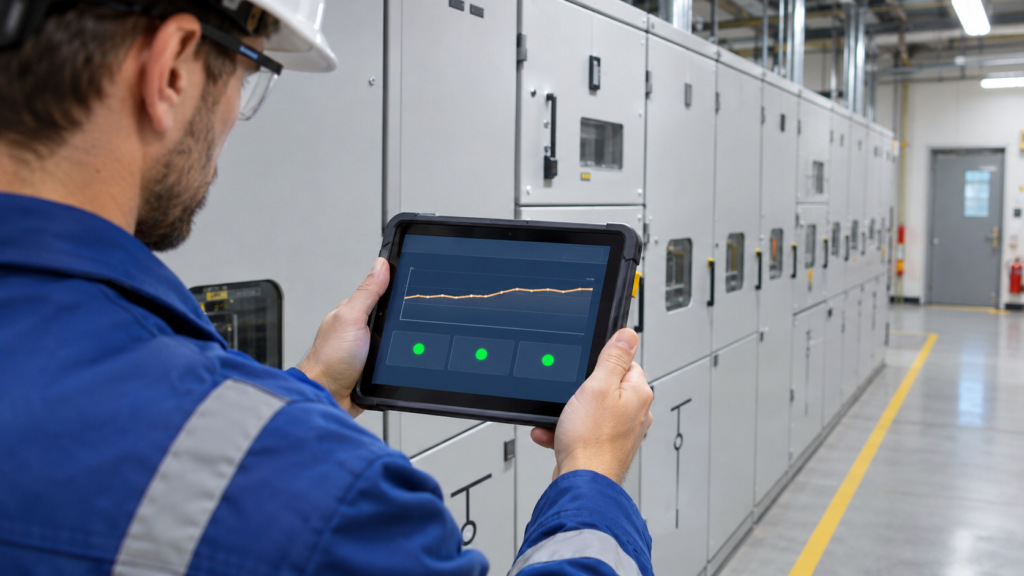
Schneider Electric lists thermal and humidity monitoring among the features of its GM AirSeT range. Thermal sensors monitor power connections, while humidity sensors track conditions around the equipment. The range also offers connectivity features.
For buyers, this raises a practical question: who will use that information?
Before ordering, teams should agree on alarm settings and response procedures. They should also confirm how the equipment connects to their existing monitoring system. Otherwise, useful data may never reach the people who need it.
What Should Buyers Check?
Our practical recommendation is to start with the project requirements, then compare suitable products.
Ask the supplier to confirm:
- Electrical ratings: Do the voltage, current, and fault ratings match the project?
- Panel layout: Will the equipment fit the room and cable arrangement?
- Protection: Does the proposed design match the required protection scheme?
- Monitoring: Which sensors, alarms, and communication options does the quotation include?
- Service support: What training, spare parts, and maintenance documents will the supplier provide?
Also, request a clear list of differences between the proposed equipment and the project specification. This makes technical reviews easier before the purchase moves forward.
A Practical Step in Product Innovation
AirSeT illustrates how manufacturers can change the materials and switching methods inside familiar electrical equipment.
However, buyers still need to assess each proposal against their own network. An environmental benefit does not replace a careful technical review.
For project teams exploring SF6-free switchgear, the next step is straightforward: compare the design, confirm the ratings, and check the support behind the product.
Further reading: Schneider Electric’s official AirSeT technology overview
Leave a Reply